Knowledge graphs in clinical care
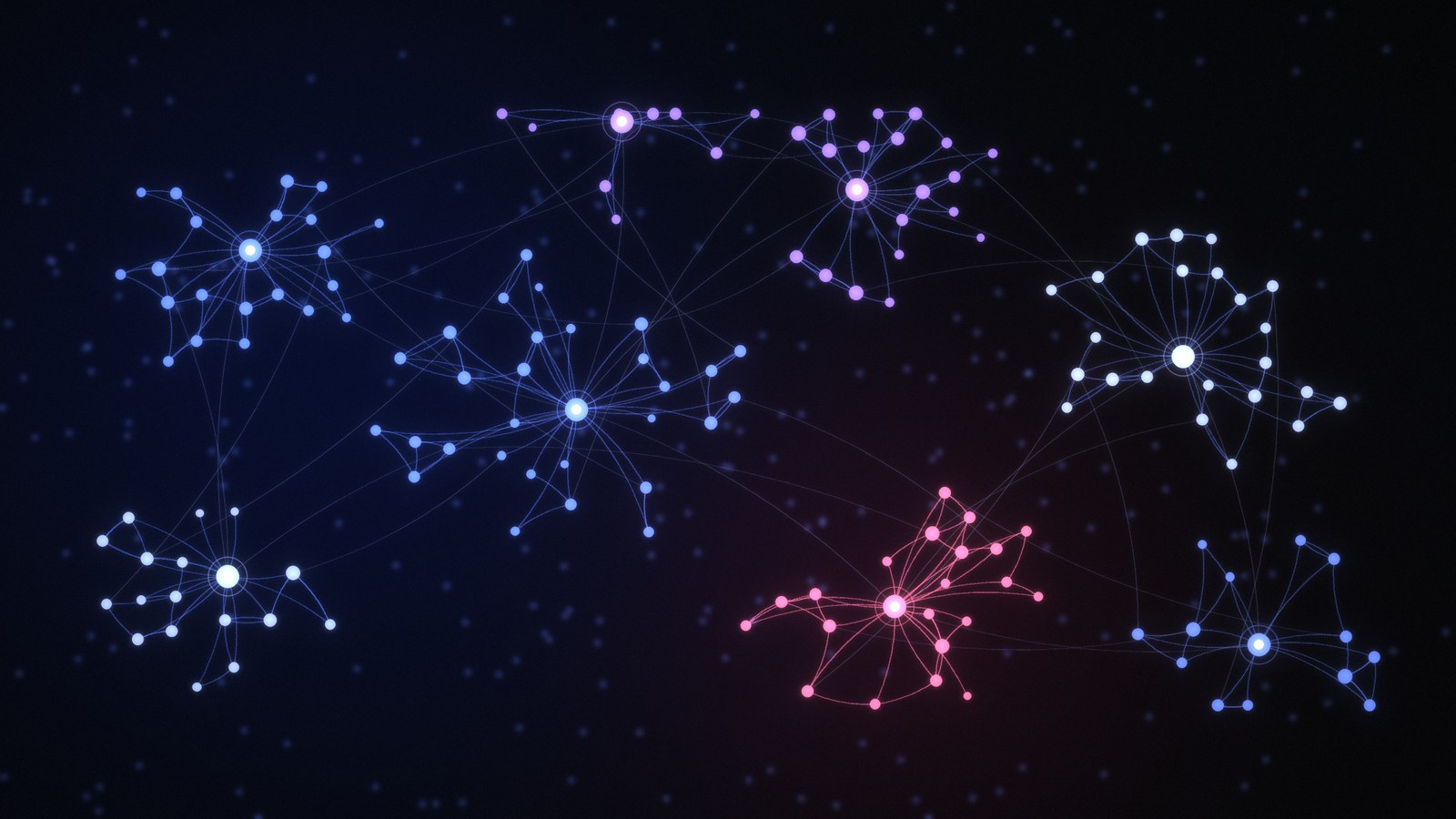
Healthcare providers struggle to extract actionable insights from large volumes of unstructured patient data, which limits precision medicine. Umbizo implemented knowledge graphs over patient records to surface complex clinical relationships.
The challenge
Healthcare providers struggle to extract actionable insights from vast amounts of unstructured patient data, which limits their ability to deliver precision medicine. The volume and lack of structure in the data prevented clinicians from identifying the relationships that matter for care.
What we set out to do
- Implement knowledge graphs with patient records
- Identify complex clinical relationships
- Enhance precision medicine delivery
- Improve real-world patient outcomes
Our approach
Data architecture
Built a patient record integration framework, designed the knowledge graph schema, mapped clinical relationships, and set up a real-time data processing pipeline.
Technical implementation
Deployed a graph database, developed a clinical ontology, integrated machine learning, and built pattern recognition algorithms.
Clinical integration
Integrated the system into clinical workflow, added clinical decision support and real-time insight delivery, and built an outcome tracking system.
Results and impact
The implementation delivered faster insight discovery, improved pattern recognition, and reduced data query time. Clinical benefits included improved patient care pathways, enhanced clinical decision-making, better treatment personalisation, and advanced research capabilities. No concrete figures are given on the page.
“Their implementation of knowledge graphs has transformed our precision medicine capabilities. The team were professional, knowledgeable, and thorough throughout.”
Timeline
- Initial development: 2 weeks
- Implementation: 2 weeks
- Ongoing optimisation
Looking forward
Expanding the graph to include genomic data and developing predictive analytics modules.