Problems we were trusted to solve.

A selection of engagements across genomics, clinical research, healthcare and beyond. Each began with a question that mattered and needed an answer the client could act on and defend.

Illustration of software containers passing through an airlock into a secure environment, where they connect as a pipeline
Genomics softwarePipelines / ML

Migrating variant classifier pipelines into the Genomics England airlock

SeqOne needed to validate its DiagAI variant classifier on Genomics England data, inside a secure, offline environment that runs Singularity rather than Docker.

Approach

We rebuilt the Nextflow pipeline's ten containers as offline Singularity images, moved it to an updated reference sequence, and prepared the ACMG machine-learning stack for the Double Helix cluster.

Outcome

The validation pipeline was packaged as Singularity images ready to transfer into the Research Environment, with deterministic builds and documentation SeqOne's team can maintain.

Read full case →
ECG heart rhythm trace with one beat highlighted
Cardiovascular researchSurvival analysis

Cardiovascular registry analysis for the PROFID programme

Charité Berlin's PROFID programme needed nine pre-specified analyses of sudden cardiac death after a heart attack, drawn from more than 140,000 patients across 20 registries.

Approach

As lead analytical partner we harmonised the registries, wrote an analysis plan for each question, and applied competing-risks, time-series and multilevel methods.

Outcome

Nine publication-ready sub-studies delivered in European Heart Journal format, giving new evidence on which post-MI patients benefit from an ICD.

Read full case →
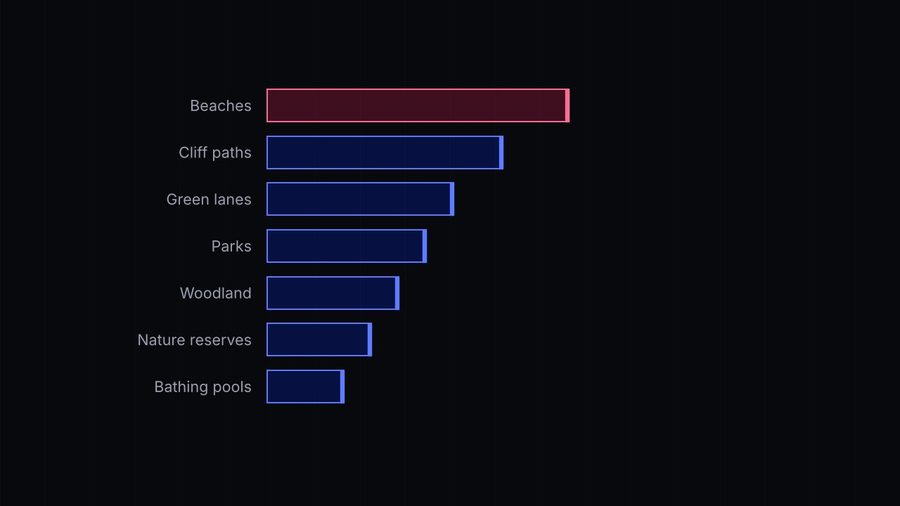
Bar chart of how often islanders visit different natural spaces, led by beaches
ConservationSurvey analysis

People and Nature Survey analysis for the Nature Commission

The Nature Commission needed its 2025 islander survey, 941 responses, turned into clear findings and an accessible public report for Guernsey and Herm.

Approach

We cleaned and analysed the responses, measured how people use natural spaces and what concerns them, and built a reproducible report in the Commission's branding.

Outcome

A four-page public report and a clear evidence base, including that 84% had visited a natural space in the past fortnight and which groups use nature least.

Read full case →
DNA double helix models
Academic researchGenomics / HPC

High-performance computing for genomic research

A genetics group studying hair phenotype was stalled by the compute needed to analyse very large genomic datasets and to simulate millions of genotypes accurately.

Approach

We profiled the workflow to find the bottlenecks, rewrote the R code to run in parallel on a compute cluster, added automated quality control, and built a publication-quality visualisation pipeline.

Outcome

Simulations that previously ran indefinitely now finish in hours, with accuracy confirmed, and the group has a scalable framework and figures ready for publication.

Read full case →
Saudi Genome logo
Cancer researchCancer genomics

Expanding cancer genomics to Arab populations

Cancer genomics has largely been built on White European data, leaving gaps for Arab communities and weakening screening and prevention.

Approach

We built population-specific analysis pipelines on genomic data from Saudi familial-cancer patients and their relatives, identified variants in known cancer genes and classified them against existing databases.

Outcome

We identified prostate, colorectal and breast cancer variants specific to Arab populations, published the findings in peer-reviewed journals, and supported their use in university hospital care.

Read full case →
Illustration of single cells plotted as clusters, with a ring of cells tracing the cell cycle
Biomedical researchSingle-cell RNA-seq

Single-cell RNA sequencing for cell cycle factor validation

A team needed to make sense of sparse single-cell RNA-seq data while testing cell cycle hypotheses and explaining an unusual bimodal pattern in mitochondrial gene expression.

Approach

We handled the sparsity with pseudo-bulking, ran DESeq2 with variance-stabilising transformation, reduced dimensionality with PCA and UMAP, and delivered reproducible Jupyter notebooks.

Outcome

We identified clear cell cycle groupings, showed that one cluster was a technical artefact, and confirmed the expected pathway enrichment, all within eleven days.

Read full case →
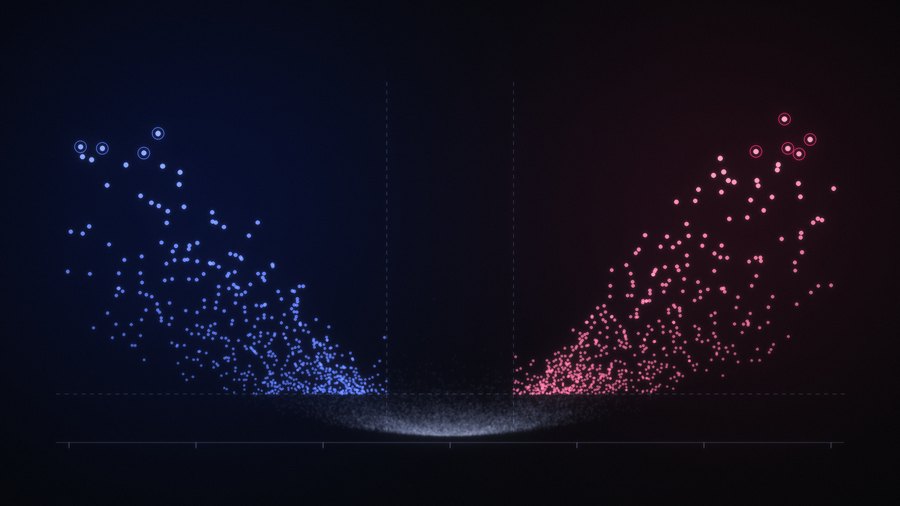
Illustration of a volcano plot showing down-regulated and up-regulated genes
Precision oncologyRNA-seq / oncology

Rapid RNA sequencing for precision oncology

A precision oncology centre needed a full genomic workflow for real-time clinical decisions, turning NanoString data into physician-ready reports and analysing single tumour samples without paired normals.

Approach

We combined the NanoTube Bioconductor package with a single-sample differential expression method, added quality control with fallbacks, a multi-criteria gene ranking, and automated PDF reporting.

Outcome

Reports now generate in under a minute for datasets of 3,800+ samples, the workflow was validated for 1,500+ samples a month, and we delivered ahead of the four-week timeline.

Read full case →
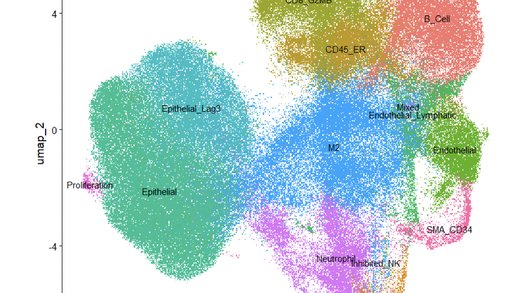
UMAP plot of cells grouped and labelled by cell type
Precision oncologySpatial proteomics

Spatial proteomics pipeline for precision oncology

A precision oncology centre needed to process 60-marker spatial proteomics data at clinical scale, which their bulk analysis could not handle.

Approach

We built a pipeline using Bio-Formats and QuPath for conversion, MCMICRO for segmentation and quantification, Seurat for spatial analysis, eight clinically-validated scoring algorithms, and SLURM for parallel processing.

Outcome

Upstream processing runs in about 1.5 hours per sample with capacity for 48+ samples a day, and the scoring reliably distinguishes immunosuppressive from standard tumour microenvironments.

Read full case →
Coloured electron micrograph of bacteria on a cell surface
DiagnosticsPathogen bioinformatics

Pathogen detection pipeline for Lyme disease diagnostics

A diagnostics team needed to reliably detect Borrelia and 53 other pathogens across sample types, cope with fragmented urine DNA, and separate true signals from contamination and co-infection.

Approach

We reassessed a legacy 762-target pipeline, rewrote it in Python with Pysam, added low-complexity read filtering, NCBI BLAST integration, stricter quality control and a three-tier reporting system.

Outcome

Mapping rate improved roughly four-fold, coverage was extended to newer Borrelia strains, and results are reported with clear confidence thresholds, delivered in ten weeks.

Read full case →
Abstract landscape of multicoloured data columns
Healthcare analyticsSynthetic data

Synthetic healthcare data generation system for Medicare analytics

A healthcare analytics company needed realistic synthetic data for testing, about six million synthetic patients that matched the statistics of real Medicare claims with clinically plausible journeys.

Approach

We built a patient-consistency system with persistent identifiers, mapped codes across clinical terminologies, generated setting-specific encounters and disease models, and added a statistical validation framework.

Outcome

The system generates consistent synthetic cohorts across unlimited runs, with validation that checks prevalence, comorbidity and billing alignment, giving the team a safe, realistic test environment.

Read full case →
Medical illustration of the kidneys within the human body
Public healthEpidemiology

Regional chronic kidney disease prevalence analysis

A UAE healthcare provider needed accurate chronic kidney disease prevalence data to plan services and allocate resources.

Approach

We integrated data from partner institutions with quality assurance and regional harmonisation, then modelled prevalence, risk factors, severity and time trends.

Outcome

We delivered prevalence figures, risk-factor correlations and severity distributions that let the provider plan care and allocate resources with confidence, with monitoring continuing over time.

Read full case →
X-ray style image of a human skull and neck with the brain highlighted
Clinical researchPredictive modelling

Optimal timing of anticoagulation in traumatic brain injury

Clinicians needed to know when it is safe to start anticoagulation after traumatic brain injury, balancing bleeding risk against clots, with only weak existing evidence.

Approach

We drew on National Trauma Data Bank data, used propensity-score modelling with gradient boosting, Cox proportional-hazards models and restricted cubic splines, and built a Shiny app for bedside risk prediction.

Outcome

We found a non-linear timing effect, with very early treatment more favourable, and gave clinicians a tool that supports a clearer window for starting treatment.

Read full case →
Illustration of a network of connected clinical concepts with one cluster highlighted
Precision medicineKnowledge graphs

Knowledge graphs in clinical care

Providers were struggling to draw usable insight from large volumes of unstructured patient data, which held back precision medicine.

Approach

We designed a clinical knowledge-graph schema, built it on graph databases with clinical ontologies, added pattern recognition, and integrated it into decision support.

Outcome

Clinicians reach relevant patterns and insights faster, with shorter query times and better-supported care pathways, delivered in four weeks with ongoing refinement.

Read full case →
Illustration of a grid of patient records narrowing through three screening stages to a final eligible group
Clinical trialsClinical automation

Automating patient selection

Clinical staff were spending too much time manually screening patients and analysing outcomes, taking time away from care.

Approach

We built a screening algorithm with automated eligibility checks and real-time alerts, a visual analytics dashboard, and a clinical integration layer with validation and manual review.

Outcome

Screening time fell by more than 90% against manual review, patient selection was around 60% faster, and accuracy improved.

Read full case →
Abstract streams of light converging on a single point
Healthcare researchData engineering

Automated research data pipeline development

Researchers faced barriers moving and analysing electronic health record data securely, and manual steps were introducing errors and hurting reproducibility.

Approach

We built API-based extraction with automated cleaning, a secure data lake, integrated statistical, machine-learning and language-model analysis, and reproducible R Markdown and Jupyter reporting with audit trails.

Outcome

Manual processing time fell by about 90%, analyses became fully reproducible, reporting time dropped by around three quarters, and there were no security breaches.

Read full case →
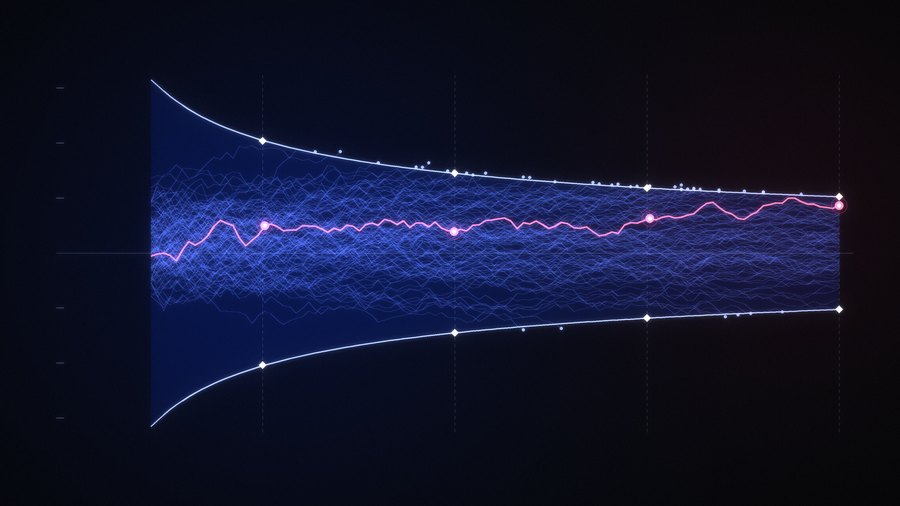
Illustration of simulated trial results tracked between narrowing stopping boundaries across interim analyses
PharmaceuticalBiostatistics

Statistical analysis for clinical trials

A pharmaceutical company needed rigorous statistical analysis and regulatory compliance across FDA and European frameworks to enter new markets.

Approach

We optimised the trial design with adaptive methods and power calculations, wrote the statistical analysis plan, and ran interim analysis of efficacy and sample sizing from pilot data.

Outcome

Preliminary analysis time was cut by about half, data collection issues were caught early, and the approval pathway was streamlined.

Read full case →
Gloved hand placing a culture dish under a microscope
Healthcare appOCR / app

Intelligent lab analysis app for health practitioners

A health practitioner had a slow, manual process for reading lab reports, with new staff often making errors interpreting long documents.

Approach

We built OCR extraction from uploaded reports, analysis logic that encodes the practitioner's expertise, a symptom-correlation engine, GDPR-compliant sign-in, and payment and supplement integrations.

Outcome

Analysis time fell from over 30 minutes to under a minute per report, manual-entry errors were removed, and interpretation is now consistent across reports.

Read full case →
Historical sepia portrait of a Native American person in profile
Genetic genealogyGenetic genealogy

Historical DNA analysis for Native American ancestry verification

A genealogical investigation needed DNA evidence to test a historical father-son relationship where the documentation had been lost.

Approach

We collected Y-chromosome samples, examined 30 Y-STR markers, reviewed civil and tribal records, and calculated variation rates, generational distance and relationship probabilities.

Outcome

The analysis found eight marker differences across 30 markers and a generational distance consistent with the claimed link, verifying paternal lineages and strengthening the historical record, over an eight-month study.

Read full case →
Two hands of different skin tones reaching towards each other
Health equityHealth equity

Analysis of racial disparities in trauma care and outcomes

A team investigating healthcare equity found substantial US racial disparities in trauma care, with some populations facing disproportionately high inter-facility transfers and worse outcomes.

Approach

We drew on National Trauma Data Bank data and applied linear regression, generalised linear models and stepwise ANOVA, with imputation and cross-validation to check robustness.

Outcome

The analysis quantified clear disparities in transfers, life-support decisions and length of stay, giving an evidence base for more equitable, culturally sensitive protocols.

Read full case →
Candlestick price chart with trend lines
Investment bankingPredictive modelling

Forex prediction for an investment bank

An investment banking client needed faster, more accurate foreign-exchange forecasting to manage portfolio risk, moving off a manual Excel process.

Approach

We moved them to a web-based interface, stored data in BigQuery, built a machine-learning pipeline in SQL, Python and R with real-time processing, and validated it against fourteen years of history.

Outcome

The client reports faster insight, less manual work and better prediction accuracy, and has been able to serve more customers as a result.

Read full case →
Illustration of overlapping distribution curves, one per market, with one market highlighted
CommercialStatistical modelling

Hierarchical sales analysis across key markets

A client needed to understand how many interacting variables were driving product sales across different markets, which needed a hierarchical model.

Approach

We ran principal component analysis and correlation assessment, built hierarchical structural models with seasonal and regional components, and validated the assumptions and prediction accuracy.

Outcome

The model reached a 0.89 correlation on sales prediction, revealed market dynamics that traditional methods missed, and improved decision-making, over roughly six weeks.

Read full case →

No case studies in this area yet.